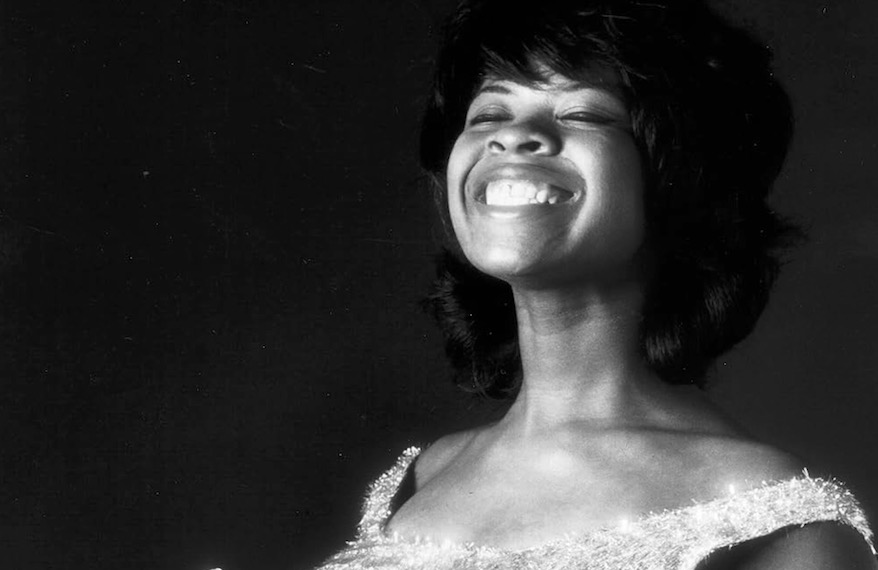
Every March, we consider the women who changed the course
of American history. Among those women are countless
musicians whose songs have withstood the test of time and
whose legacies continue to teach us about creativity,
dedication, and courage. They reshaped genres in their own
image, refusing to shrink themselves to fit what already
existed. They stepped into rooms not built for them and
stayed anyway.
In their honor, here’s a short list of awe-inspiring
female musicians and what their legacies can teach us
about ambition, artistry, and the quiet, persistent work
of taking up space.
Make Songs Your Own - Aretha Franklin
A Change Is Gonna Come - Aretha Franklin
Aretha Franklin helped define the sound of soul music in
the 1960’s with ultra-famous hits like “Respect” and
“Think”. She’s still one of the best-selling artists of
all-time and was the first woman to be inducted into the
Rock and Roll Hall of Fame.
The song “Respect” was recorded originally by Otis
Redding, but Franklin rearranged it and recorded her own
version on Valentine’s Day in 1967. She transformed it
from a funky ballad about traditional family dynamics at
the time into a declaration from a confident woman. Her
upbeat and musically innovative version became an anthem
for the Civil Rights and Women's Rights movements.
Lesson: Don’t just copy how another artist sings a song.
Bring your own thoughts, emotions, and experiences to your
interpretation. Don’t be afraid to make changes to the
music if they feel authentic to you.
Perform with Conviction - Nina Simone
Feeling Good - Nina Simone
Nina Simone is a world class pianist and jazz vocalist
whose music played a pivotal role in the Civil Rights
Movement. Her mastery of piano from an extremely young age
led to her classical training and fueled a relentless
ambition to excel and push boundaries.
She challenged the country’s assumptions about her,
confronting racism, sexism, and inequality head-on. Early
in her career, she received criticism for expecting
respectful audiences, and as she wrote songs like
“Mississippi Goddam" about the violent realities of the
Civil Rights era, she was frequently denied venues and
faced radio bans. Despite this, she refused to soften her
message or dilute her artistry.
Lesson: Education should enhance your ability to express
yourself, not limit it. Let your formal training coexist
with modern music and sensibilities. Find (or write) songs
that inspire you.
Write With Emotional Precision - Joni Mitchell
Woman of Heart and Mind - Joni Mitchell
Speaking of songwriting, Joni Mitchell reshaped this
artform in the 1960’s and 70’s with her poetic lyricism
and raw, confessional imagery. Albums like Blue combined
elements of folk, jazz, and pop, all with a unique sound
built on open tunings and sophisticated chord structures.
She not only expanded the idea of what a woman in the
male-dominated 70’s rock scene could be but redefined what
any artist at the time could hope to achieve
creatively.
Rather than diluting complexity in the name of popularity,
she trusted her audience to meet her music with the same
emotional and intellectual depth and curiosity she brought
to it. In taking that risk, her work stands today as a
testament to the power of artistic integrity over
commercial compromise.
Lesson: Let your writing be honest and specific. When you
have a strong point of view (and a strong foundation in
music theory), you can write music that’s specific and
personal to you, but also deeply impactful and creatively
inspiring to others.
Master Your Craft Deeply - Esperanza Spalding
Espera - Esperanza Spalding
Esperanza Spalding is a modern vocalist, virtuoso bassist,
composer, educator, and the first jazz artist to win the
Grammy Award for Best New Artist. Her work moves fluidly
between jazz, classical, soul, and more experimental
modern music. Albums like 12 Little Spells showcase her
impressive command of harmony and rhythm, as well as her
creativity with concept. Her freedom when performing is
the result of immense discipline and shows us what
beautiful spontaneity can come when you’re thoroughly
prepared.
Lesson: Don’t rely on talent alone. Study harmony.
Understand rhythm. Learn how arrangements function. The
more deeply you master the craft, the more freely you can
create.
Honor Your Roots - Irma Thomas
Straight from the Heart - Irma Thomas
Known as the “Soul Queen of New Orleans,” Irma Thomas
built her career on poignant, relatable music and regional
tradition. Her music is widely covered by other artists
who resonate with her emotional honesty and timeless
storytelling. Maybe the most famous example of this is her
1964 rendition of “Time is On My Side” inspiring the
Rolling Stones to record a cover of the song. The Rolling
Stones version became such a hit most people don’t know
Thomas was the first vocalist to record it earlier that
same year.
Throughout her long career, her voice remains unmistakably
her own and continues to inspire people to this day. Year
after year, she performs at the New Orleans Jazz &
Heritage Festival and reminds us that soul music isn’t
just a genre, but a tradition carried on by real people
with real stories to tell.
Lesson: Know where your music comes from. Study regional
styles and music your family has passed down. Learn the
history behind the genres you perform. Musical depth grows
from cultural awareness and personal understanding.
Carrying Their Legacy With Us
We are so inspired by these women: by their talent, their
timeless music, their courage, their discipline, and their
originality. For students looking to learn more about
music, whether that be to deepen a hobby or to enter the
music industry, role models like these are invaluable.
In our journey to become just a bit more like them,
listening to their music is a great (and easy) place to
start. Often, we fall into habits of listening to the same
artist or album over and over again. But immersing
yourself in the music of these inspiring women and
diversifying your playlists is a great way to stay curious
and inspired.
Here's one playlist to get you started!
Women's History Month Playlist
If you'd like to go a little further, here are a few more
involved exercises you could try in the coming weeks.
● Listen to an album by a female artist all the way
through.
● Write a poem. It can be as short or long as you
like! It can be formatted like song lyrics or be a bit
more freeform.
● Pick a song you like and listen to a cover by a
different artist. Practice your own cover with a karaoke
track.
● Read an article about a female artist.
This is a great one!
● Ask a woman in your life about an album that means
a lot to her and why.
Happy listening and happy Women's History Month!
What We Can Learn from the Women Who Shaped American Music