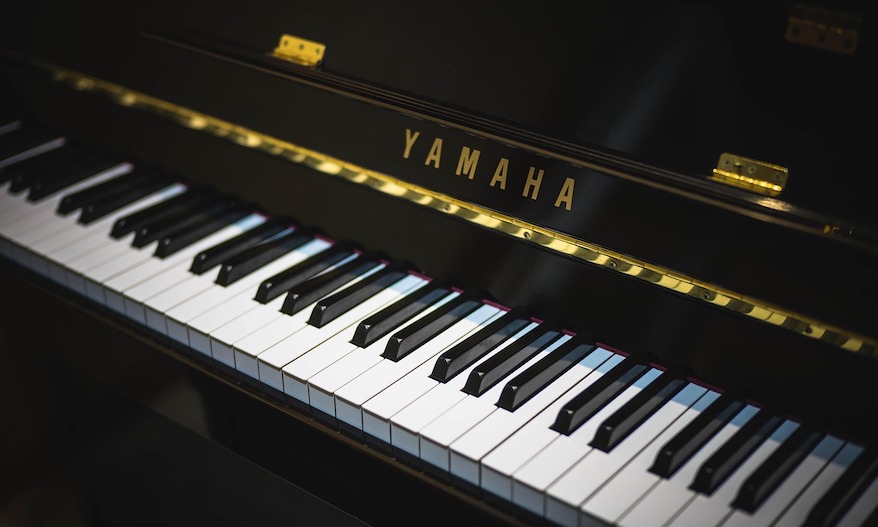
When people decide to learn an instrument, the piano often
comes to mind first. However, the modern keyboard, sleek
and portable, calls to a different kind of musician. The
real question rests upon, what kind of musician are you?
One who prefers elegance, history, and depth or
versatility, technology, and accessibility. The two look
similar, share many of the same notes, yet learning them
can lead you down subtly different musical roads.
Skill Crossover: Same Notes, Different
Purpose
So which should you choose? Let’s explore:
The Piano: Historic, Warm, and Elegant
Learning to play on a traditional piano is like learning
to write with a fountain pen, it forces precision,
control, and appreciation for craft. Each key demands
proper finger technique and strength, as the hammer
mechanism translates your touch into sound. This develops
muscle memory and dynamic control, two traits that shape
expressive players.
This also trains the ear in ways a digital substitute
cannot fully achieve. The sound resonates physically
through wood and string, teaching the player how harmony
blends together. The multiple pedals become like a
painter’s brushes. blurring lines, blending tones, evoking
emotion. For students aiming for classical mastery or
compositional depth, the piano remains the cathedral of
musicianship.
Acoustic pianos can be expensive, heavy, and
high-maintenance. They require tuning, space, and care,
but can also be seen as a lasting family heirloom. Yet, if
your home hums with technology and limited square footage,
the piano might feel more like a guest than a companion
which brings us to the Keyboard option.
The Keyboard: Flexible, Versatile, and
Multifunctional
The keyboard belongs to the digital age, inviting
experimentation. It’s the kind of instrument that says,
“Plug me in, and let’s make something new.” For beginners,
the keyboard removes barriers, features lighter keys,
adjustable volume, headphone options, and hundreds of
tones ranging from grand pianos to futuristic synths.
Keyboard learners often gain a broader understanding of
modern music production. They learn how to work with
backing tracks, MIDI interfaces, and recording software.
In today’s music industry, those skills translate to
currency. A keyboardist can transform into a one-person
orchestra or studio producer.
There’s also an element of accessibility with keyboards. A
young student might find joy in instant creativity,
layering drumbeats, adding voice layers, or playing back
an original melody. The experience is less about formal
discipline and more about exploration. That freedom often
keeps students motivated. This option requires keeping up
to date with technology and purchasing different tools for
your keyboard, Interfaces, a DAW (garage band) and a
multitude of other options.
Piano roots you in tradition, Keyboard propels you
toward innovation.
Here’s the truth, learning either instrument strengthens
the same musical foundation, note reading, rhythm, hand
coordination, and music theory. A student who begins on
a keyboard can easily transition to piano later, and
vice versa. But the mindset and purpose each instrument
cultivates differs.
Piano teaches discipline and depth. You learn to feel
music. Keyboard teaches versatility and creativity. You
learn to build music. Piano roots you in tradition,
Keyboard propels you toward innovation.
Final Thoughts Choose for Your Lifestyle, Not for
Status
Growing up, I began with a keyboard as my first ever
instrument. I was mesmerized with how much I could do
with it through its innovative technological
advancement. Later on, I translated those skills to an
acoustic upright Yamaha piano and discovered the warmth
and depth acoustic sound offers. In hindsight, I learned
much from both perspectives.
If your dream is to perform classical pieces, compose
film scores, or develop expressive touch, start with an
acoustic (or a fully weighted digital) piano. It will
challenge you technically but reward you emotionally.
If your goals lean toward songwriting, digital
production, or performing in bands, start with a
keyboard. It’s affordable, portable, and adaptable,
perfect for the modern creator.
Ultimately, the question isn’t “Which is better?” but
“Which best fits who you are right now?”
The piano is a temple; the keyboard is a laboratory.
The Cross Road: Piano vs Keyboard