
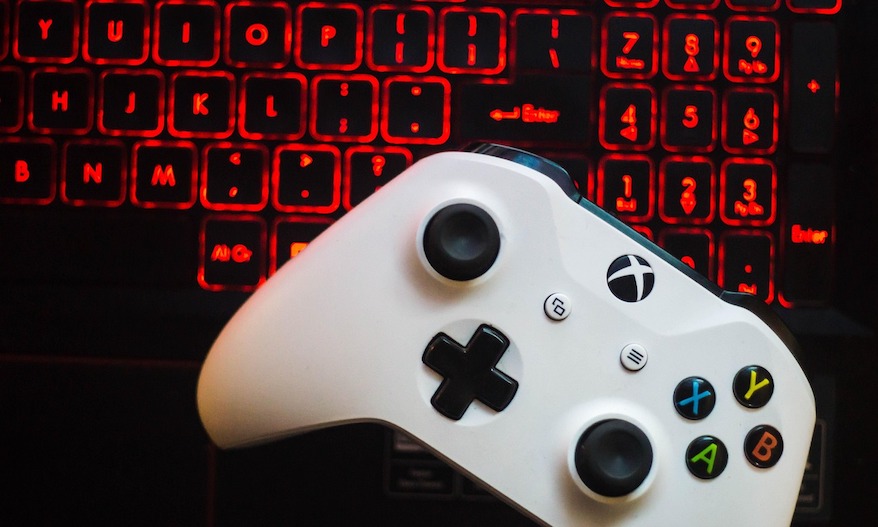
In the pixelated halls of nostalgia and the orchestral
realms of modern epics, video game music is no longer
background noise—it’s key to the gaming experience. From
the haunting tunes in Zelda’s Lullabies to the adrenaline
of Final Fantasy battle themes, these scores are
emotionally coded memories.
As a kid growing up with video games, the one thing I
always looked forward to was the lasting impact from the
music. My very first exposure to any video game music was
through a favorite Super Nintendo game: Donkey Kong
Country. In the level Aquatic Ambience, not only are you
holding your breath alongside the two Apes swimming
underwater, but the soundtrack crafted by David Wise
instantly submerges you into its’ believable atmosphere.
Take A Listen:
David Wise, Donkey Kong Country: Aquatic Ambience.
Take A Look:
Sheet Music Transcribed by Jer Roque
Video game music is a bridge. It connects storytelling and sound, rhythm and emotion, discipline and fun
Why Learn To Play It?
Video game music is a bridge. It connects storytelling and
sound, rhythm and emotion, discipline and fun. It's built
to loop, teach timing, and challenge hands. You don’t just
learn to play, you learn to feel, adapt, and compose. The
intricacy of notes, melody, and chord structure can serve
as a learning curve for any student.
For beginners, it's accessible. For composers, it’s a
masterclass in theme and variation.
For dreamers? It’s an invitation.
So press play. Experience the moment. Press pause. Play
it yourself.
You’re not just practicing a song, you’re navigating a
world.
My Personal Recommendations:
Great Fairy Fountain -
The Legend of Zelda: Ocarina of Time
Dearly Beloved -
Kingdom Hearts 3
Stickerbush Symphony -
Donkey Kong Country 2
Wind Crest -
The Three Trials- Final Fantasy X-2