You’ve decided you want to play drums and signed up for
drum lessons and now you need your own drumset so you can
start practicing those rock beats at home! You’re ready to
make the purchase, but don’t really know where to start.
Let’s take a beat and take a few things into consideration
before making the jump.
Budget:
What’s your budget? Like most musical instruments, a
drumset is a long term investment. They can be a bit
pricey up front and need maintenance over time. Don’t let
either of these deter you though; there are
budget-friendly brands and models that are great to get
you started. As of 2025, a budget drumset typically costs
around $300 to $600. Drumsets are often sold as “shell
packs” only, which means they may not include cymbals or
hardware such as stands or pedals. Generally, the higher
the price tag, the better the build quality. In other
words, in the drum world, you get what you pay for!
Style:
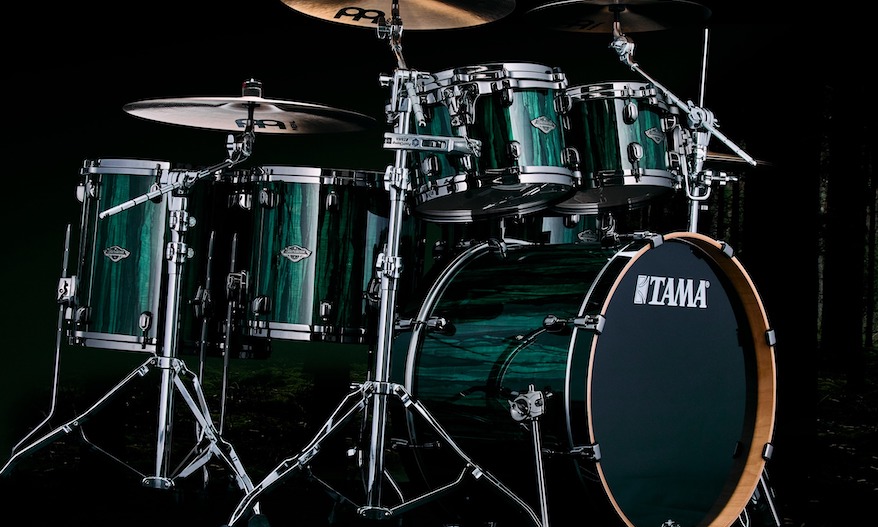
The next thing to consider is your style. What color
shells do you like? What kind of music do you want to
play? Drums come in all different colors and visual
designs, and the style of music you spend most of your
time playing may influence the color scheme you ultimately
choose. Jazz drummers are often seen playing kits where
the paint is mixed with a ton of glitter to give a
signature “sparkle”. On the other hand, Rock or Metal
drummers may choose a solid color like red, blue, or black
to allow their hardware and cymbals to be the eye-catching
component. Another classic and safe option is a natural
finish or colored wood stain. These designs showcase a
natural wood grain in the drum shell, and you can always
add a little colorful flair for some personality. Once
again, your budget plays a role too, as the more complex
or visually stunning paint job often costs more.
Practice Space:
Now that you’ve chosen your perfect drumset, let’s
consider your practice space. How much space do you need
for your drumset? The standard starter drumset is
typically a five-piece shell pack that includes a bass
drum, three toms, and a snare. There are some exceptions
to this: some kits do not include a snare, or have only
two toms instead of three. Higher budget professional kits
may come with more shells like extra toms or even a second
bass drum. Keep in mind, your hardware takes up the most
floor space as you need stands for your cymbals. The
bigger the kit, the more space it takes up.
Sound Absorption:
On the topic of your practice space, what will the
neighbors think of your new found interest in playing the
drums?! If you’re worried about noise complaints, there
are plenty of solutions available. First, the more sound
absorbing material you have in and around your practice
space, the better. Loaded bookshelves and furniture are
great for absorbing the low booms from your bass drum and
toms. The insulation in your home’s walls also provides a
sound barrier. If more sound absorption is needed, you can
purchase silencing pads for your shells and cymbals. These
don’t sound very good, but they will certainly keep the
noise down. Some manufacturers also make “low-volume”
cymbals and drum heads, which are a little delicate, but
absolutely work. Last but not least, you may opt for an
entry-level electronic drum set. These are a great option
for silent practice, as you can simply plug in headphones
and hear everything! This is also the best choice for
people with pets who are sensitive to loud noises.
You can find a brand new drumset through most local or
online music retailers. If you’re on a really tight
budget, buying a used kit from a local musician is another
great way to get started. Be careful though: Drums get
beat up! If you buy anything used, make sure to carefully
inspect all components before making a purchase, and don’t
be afraid to ask for a fair price!
My First Drumset: What Should I buy?