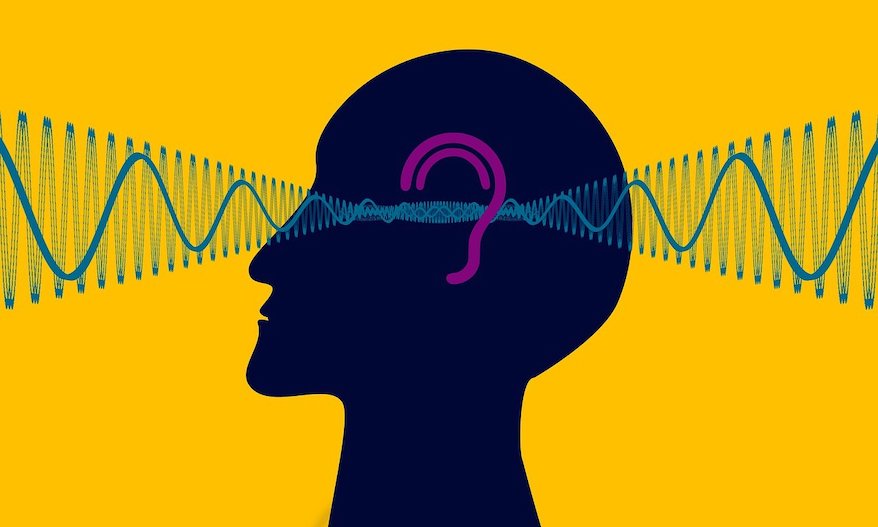
Musical Science, Spirit, and Sound
The Sacred Frequencies
Music has always been more than entertainment. It’s
medicine made audible, vibrations that whisper to the
body, harmonize the heart, and realign the mind when words
fall short. Long before the modern world could quantify
sound waves in hertz, ancient civilizations understood
that certain tones carried power: to soothe, awaken, and
even mend.
The Ancient Roots of Sonic Medicine
The Greeks believed music could heal disease; Pythagoras
described the cosmos itself as “a harmony of the spheres.”
Egyptian priests used chants to guide the soul through the
afterlife. Indigenous shamans drummed steady rhythms to
shift consciousness and summon healing spirits. Even war
had a distinguished drummer boy who would lead out the
infantry men signaling march patterns, firing order and
battlefield tactics.
Today, science gives new language to these ancient
intuitions. Frequencies, measured in hertz (Hz), describe
how many vibrations a sound wave completes each second.
Our bodies, too, operate through frequencies in brain
waves, heart rhythms, cell oscillations. This reminds me
of one of my favorite movie scenes where Sherlock Holmes
is experimenting on a group of flies and their flight
patterns. Sherlock is experimenting by playing a series of
chromatic scales and A-tonal clusters on his violin, he
observes how the flies begin to harmoniously fly in
synchronization at a counterclockwise motion that
surprisingly looks like a strand of DNA; imagine that same
effect happening in our bodies.
The Science of Sound and the Body
Modern researchers have found that sound can directly
influence our physiology. Low frequencies slow the
heartbeat and calm anxiety. Mid-range tones engage the
limbic system, where emotion lives. High frequencies
stimulate the brain’s alertness and clarity. The body, it
seems, is an orchestra where every organ is playing its
note in the grand score of life.
Music therapy has been clinically proven to reduce
cortisol (the stress hormone), lower blood pressure, and
aid pain management. Hospitals now use guided music
sessions to ease post-surgical recovery, while therapists
integrate rhythmic entrainment matching music’s tempo to a
patient’s pulse to gradually restore emotional or physical
steadiness.
Brainwave entrainment technologies, such as binaural
beats, push this further. By delivering two slightly
different frequencies to each ear, the brain “fills in”
the gap, synchronizing its wave patterns to the
difference. The result can be deep relaxation (alpha and
theta waves), heightened focus (beta), or even meditative
transcendence (gamma). If you’re curious to try this out,
I suggest an app which allows frequencies to be played on
your phone for various moods. Endel is a phone application
which changes the frequency for the needed mood, it’s free
version offers frequencies for: Focus, Relaxation, Sleep
and Motion.
The body listens not only to sound, but to
intention...
Among the most discussed tones in the field of musical
healing are the Solfeggio Frequencies, a set of ancient
scales reintroduced in the 1970s. Each is said to
correspond to a particular energy center and healing
quality:
● 396 Hz – Liberation from Fear and Guilt:
Grounding and emotional release.
● 417 Hz – Transformation: Clears negative
patterns and invites change.
● 528 Hz – DNA Repair and Love: Known as the
“Miracle Tone,” linked to cellular renewal.
● 639 Hz – Harmony: Strengthens relationships and
social connection.
● 741 Hz – Expression: Cleanses cells from toxins
and aids creative clarity.
● 852 Hz – Awakening: Enhances intuition and
spiritual awareness.
Though mainstream science debates the exact
physiological mechanism, many practitioners and
listeners attest to their effects. When paired with
intentional breathing and meditation, these tones can
guide the body into coherence where the heart rhythm,
breath, and brain activity align in gentle synchrony.
Many Film Score Composers take advantage of this to add
emotion into the scene of a movie, composers like Hans
Zimmer, Johann Johannsson and others have mastered the
layering of these frequencies.
Sound as Medicine: Beyond the Myth
Skeptics argue that most claims about specific “miracle
frequencies” lack empirical proof. They’re right to a
point. But the absence of exhaustive studies doesn’t
negate lived experience. Placebo, after all, is not a
dirty word, it’s evidence that belief and perception
hold healing power. The body listens not only to sound
but to intention. A tone that carries personal meaning
whether 528 Hz or a simple piano chord can produce
measurable calm.
More verifiable are the observable responses of the
nervous system to tone and rhythm. Drum Circles,
chanting, or humming stimulates our nerves, activating
the parasympathetic state, our body’s built-in recovery
mode. Singing lowers heart rate variability and
oxygenates the blood. Even a single sustained hum sends
micro-vibrations through the skull that can relieve
tension headaches, something similar to Beethoven
mastering noise in silence through bone conduction.
In short: whether mystical or mechanical, sound
works.
The Music Within
We often think of healing frequencies as external tones
we must find or play. But each of us is already
vibrating at countless frequencies. The hum of blood
flow, the percussion of footsteps, the rhythm of breath
all compose an internal symphony. When that symphony
falls out of tune through stress or trauma, music acts
as a tuning fork for the soul.
You’ve felt it: the song that makes you cry for no clear
reason. The rhythm that seems to match your heartbeat
during a run. The lullaby that calms a child who doesn’t
understand the words. These aren’t coincidences, they’re
examples of resonance, the body remembering its original
melody. To explore musical healing frequencies, you
don’t need expensive equipment. Begin with intention and
awareness.
1. Choose Purposefully. Select tones or songs that
reflect what you seek: peace, focus, renewal.
2. Breathe with the Beat. Align inhale and exhale with
the tempo to anchor the nervous system.
3. Feel, Don’t Analyze. Let sound move through the body.
Healing begins in sensation, not logic.
4. Silence Matters Too. Between notes lies rests, the
body’s space to absorb and respond.
Over time, you’ll sense which frequencies your body
craves most. Some days it’s the earthy pulse of drums;
other days, the crystalline shimmer of a singing bowl.
Healing is personal, adaptive, and rhythmic.
The Final Note
Musical healing frequencies remind us that we are
instruments of divine design; strings, membranes, and
breath woven into one resonant being. The world hums in
sympathy when we are in tune with ourselves. In every
vibration, there is potential for restoration. So listen
not only to what is played, but to what is felt.
Somewhere between the silence and the sound lies your
frequency, the one that mends, awakens, and sings you
back to life.
Musical Frequencies: Sounds of Healing